
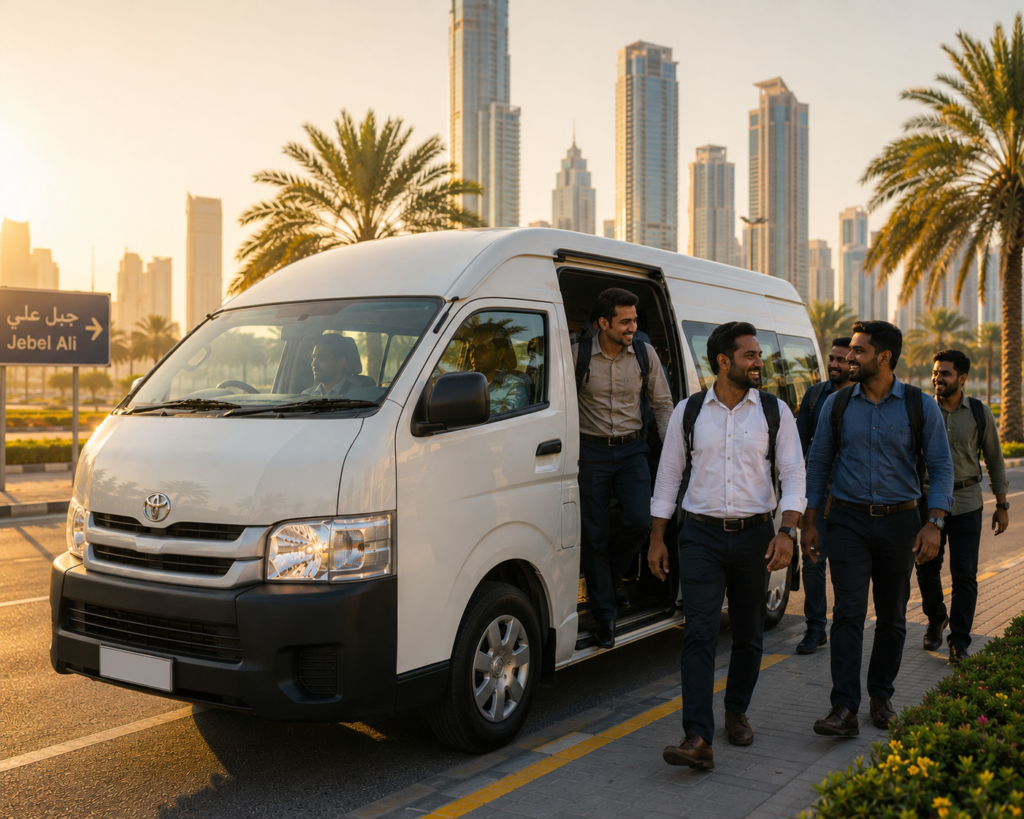
By the time Thursday arrives, a lot of workers in the UAE are not just tired from work.
They’re tired from the routine around work.
The alarms before sunrise. The long waits. The packed roads near industrial areas. The mental calculation of whether leaving five minutes late will ruin the entire morning.
For people travelling daily between Sharjah and Jebel Ali, the commute slowly becomes something heavier than transportation. It starts feeling like an unpaid extension of the job itself.
That’s one more reason why commuters are quietly looking for alternatives like a Car lift to Jebel Ali Freezone instead of repeating the same exhausting routine every week.
The Commute Changes Your Entire Day
Most people don’t notice it immediately.
At first, long-distance work travel feels manageable. You adjust your sleep. You leave home earlier. You tell yourself you’ll get used to it.
Then small things start changing.
You stop making evening plans because you’re already drained.
You begin checking traffic before even brushing your teeth.
Some workers spend more time travelling than actually relaxing at home.
By Thursday, the exhaustion feels different.
Not dramatic.
Just constant.
That’s the reality many warehouse staff, office employees, and shift workers experience while travelling daily to industrial zones like JAFZA and Techno Park.
Why Daily UAE Commuting Feels Mentally Exhausting
The difficult part of commuting is not always the distance itself.
It’s the unpredictability around it.
A normal workday can suddenly become stressful because of:
- delayed buses
- missed connections
- unexpected congestion
- expensive last-minute taxi rides
- inconsistent pickup timing
And unlike occasional travel, daily commuting compounds over time.
The mental fatigue builds quietly.
People become less patient.
Sleep routines get disrupted.
Weekdays begin blending into one long cycle of work and travel.
That’s why more workers now prioritize consistency over convenience when choosing employee transportation.
The Hidden Cost of “Managing Somehow”
A lot of commuters survive on temporary solutions.
One day it’s public transport.
Another day it’s a carpool.
Sometimes it’s driving alone despite the fuel and parking expenses.
But constantly improvising your daily commute creates its own stress.
Not knowing:
- how long today’s journey will take
- whether transport timing will match your shift
- how much this month’s travel costs will add up
becomes mentally draining after a while.
For workers commuting six days a week, routine matters.
A structured Car lift to Jebel Ali Freezone arrangement removes many of those small daily uncertainties that slowly wear people down.
Why Shared Commuting Is Becoming More Common
Across Sharjah and nearby residential areas, more workers are choosing organized shared transport for one simple reason:
It fits real working life better.
People travelling to:
- JAFZA
- warehouse zones
- Techno Park
- industrial areas
usually care less about luxury and more about predictability.
A fixed pickup schedule and direct route can make daily life feel more manageable.
That matters more than most people realize.
Because commuting affects:
- energy levels
- mood
- punctuality
- family time
- sleep quality
- weekend recovery
A better routine doesn’t just improve travel.
It changes how the entire week feels.
Public Transport Isn’t Always Designed for Industrial Work Routines
Public transport in the UAE works well for many city routes and general movement.
But industrial-area commuting often follows a different rhythm.
Shift timings don’t always align smoothly with bus schedules. Some routes require multiple changes. Certain warehouse zones are still inconvenient to access daily without extra travel time.
For someone already working long hours, even an extra 40 minutes each day becomes exhausting over time.
That’s why many commuters eventually start searching for alternatives that feel more direct and practical.
A Better Commute Is Really About Recovery
One thing experienced commuters understand is this:
The goal isn’t just reaching work.
It’s reaching work without already feeling mentally tired.
When daily travel becomes more structured, people often notice:
- calmer mornings
- better routine consistency
- less travel anxiety
- reduced daily burnout
- more personal energy after work
That’s the real value behind organized shared transport.
A dependable Car lift to Jebel Ali Freezone setup doesn’t magically remove work stress — but it can stop the commute from becoming another source of exhaustion.
Final Thoughts
By Thursday, many UAE commuters are not simply tired from their jobs.
They’re tired from everything surrounding the job.
The travel.
The waiting.
The unpredictability.
The constant adjustment around commuting.
That’s the reason why more workers travelling between Sharjah and industrial areas are taking second thought about how they manage daily transportation.
A practical Car lift to Jebel Ali Freezone option can make the week feel less chaotic, more structured, and easier to sustain long-term.
If your current commute already feels like a second shift before the real one even starts, it may be worth checking whether a better daily route setup fits your routine.